
Sperm donation procedure


Intro

Sperm donation is not a one-time thing


Sperm donation is not a one-off process, but involves an entire donation cycle of usually at least six suitable sperm donations. The first donation cycle can be followed by further donation cycles, each with six sperm donations. Before the first and after the last donation cycle, a medical examination is carried out and the contract is signed by both parties.

In a detailed preliminary discussion, we will familiarize you with all the details of the sperm donation process.

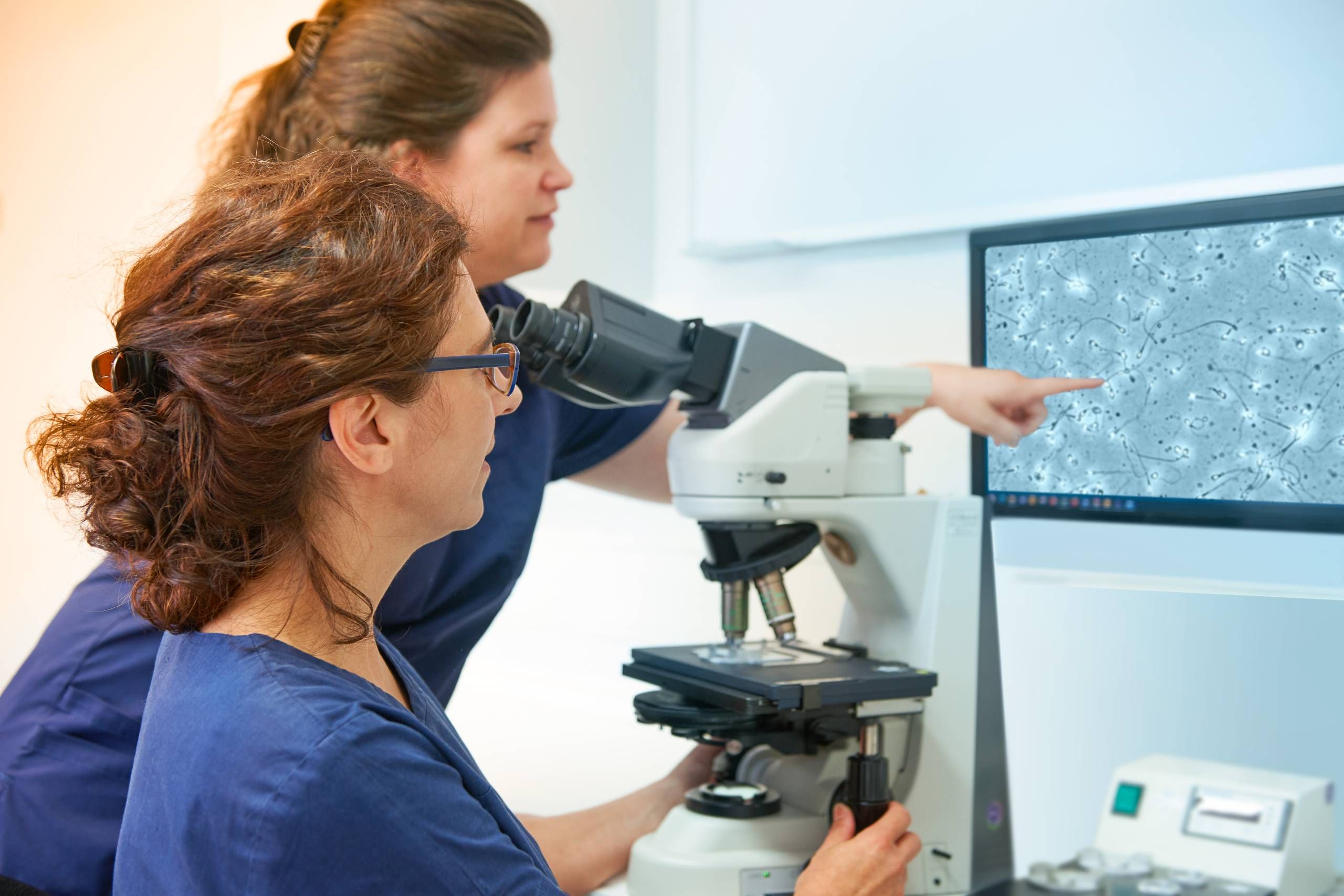
In addition, a trial phase is carried out to check whether you are suitable as a sperm donor. The quality of your sperm and your physical health will be examined for this purpose. The actual donation cycle then begins.

Donation appointments usually take place on a weekly to fortnightly basis. In total, at least six donation appointments are necessary for a donation cycle. If a sperm donation does not meet the necessary quality criteria for freeze preservation, the donation can be repeated. For each sperm donation, a urine sample must be provided and the donation cycle must be completed within a period of three months.


Content
Icons and features section
Intro

Trial period

Contact us

The first step is to contact our sperm bank using the application form We will then arrange an appointment with you by telephone for your first trial donation. (Compensation for expenses: 100 €)

If you are suitable, you will be given the contract information and you can start your first donation cycle after a contract discussion, medical examination and blood and urine collection.

Your first visit to the
Erlanger Samenbank

A sperm donation appointment at the Erlanger Samenbank is just like a normal visit to the doctor. You do not have to worry about any embarrassing situations. You will present yourself at the reception of our partner practice Kinderwunsch Erlangen , the staff will already know the reason for your visit.

After registering, you will be taken to the waiting area of the sperm bank. Your personal details will be checked here. Please have your identity card/passport ready. You will be asked about any previous illnesses, hereditary diseases and your blood group (please bring your blood group card if you have one). You will then give your sperm sample in a sealable cup in a separate room, away from any patient activity. You should not have ejaculated for 3 to 5 days before the semen collection (waiting period) in order to achieve the best possible semen quality. Material will be provided to you in the form of adult magazines, in order to take the nerves out of this unfamiliar situation.

First results of your semen sample

You will promptly receive information from us about the quality of the semen sample: in six out of seven cases, this will unfortunately result in a rejection – as the sample must meet particularly high quality criteria to qualify for a suitable sperm donation.

If your semen sample initially appeared to be suitable, but the standard parameters were not met on the day, then we will ask you to repeat the first semen sample.

If during the trial phase, the results of the semen analysis confirm your suitability as a sperm donor, an appointment will be made for the second sperm donation. You will then be given the opportunity to familiarize yourself with the official donor contract, after which your actual donation cycle can then begin.

Intro

Donation cycle

Once your suitability as a sperm donor has been finally established, the actual donation cycle begins.

Interview, examination and conclusion of contract

At the beginning of the first donation cycle, in addition to the sperm donation, a detailed consultation and a physical examination will take place. We will explain to you in detail the organizational, psychological and legal aspects of sperm donation to ensure that you make an informed decision related to all these important factors.

You have the opportunity to receive free advice on the psychosocial aspects of sperm donation at any time (the address of the associated psychologist is enclosed with the contract).

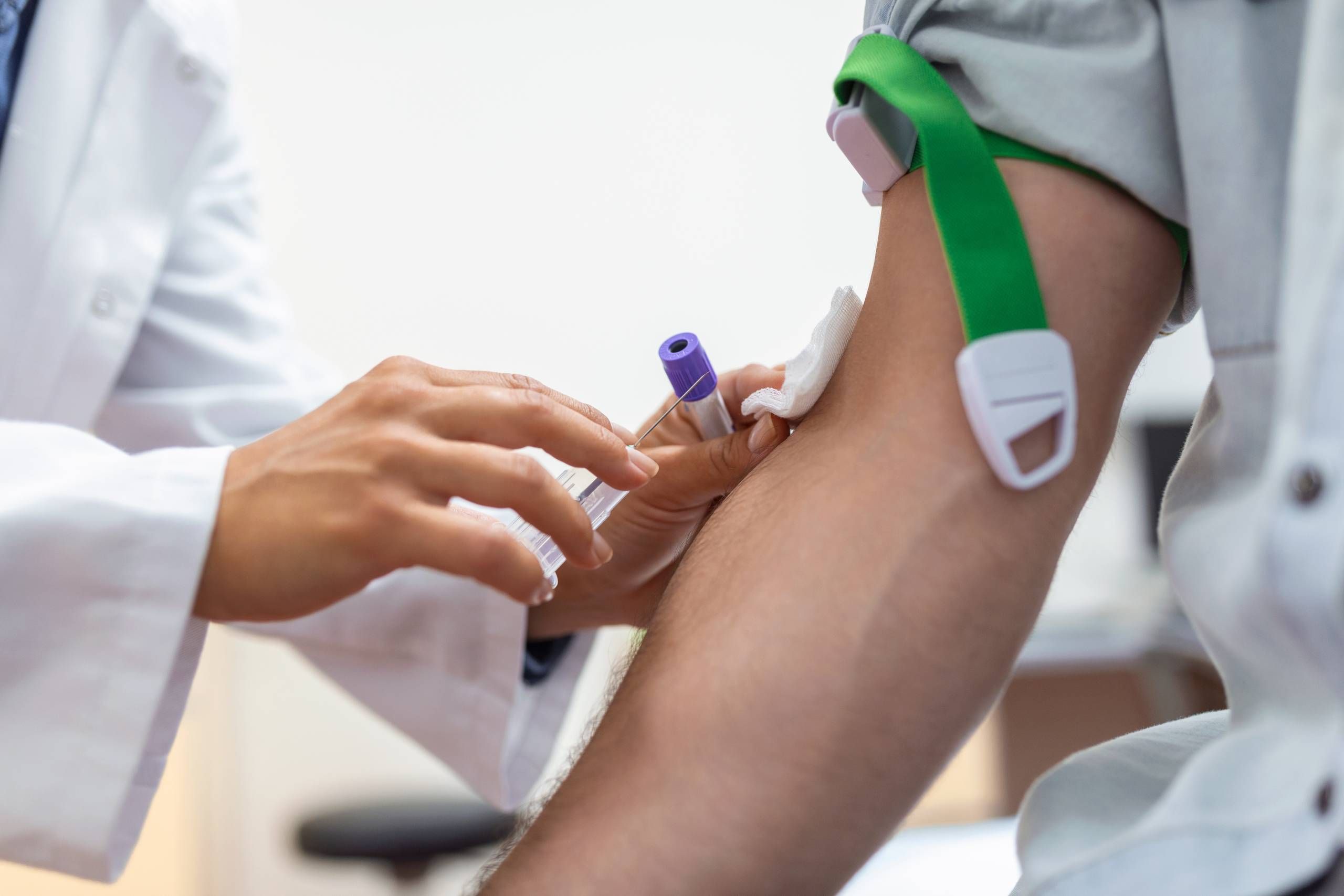
You will have your photo taken, however this will strictly only be used by our own team for internal processes. This is followed by a blood and urine sample for genetic testing and to rule out any infections. This enables us to determinewhether a donor is a carrierfor the most common genetic diseases, such as cystic fibrosis.

A donation cycle includes the submission of at least 6 suitable sperm samples within 3 months. (Compensation for expenses: 50 Euros as the first installment, with a total of 130 Euros for each suitable donation).

At the end of the first donation cycle, a further physical examination with blood sampling is carried out.

In addition, a blood sample (HIV, Hepatitis B and C, CMV, TPHA) is taken 6 months after each last sperm donation of a donation cycle; if this is inconspicuous, the remaining expense allowance (6x 80 Euros) = 480 Euros)) is paid out.
After completing the first donation cycle, you can add one or more further donation cycles with at least 6 further donations within 3 months.

Intro

What comes next

Content

After one or more completed donation cycles, there is usually no further work for you to do. We may contact you if further blood tests for specific genetic defects or sperm samples for siblings are required. Our practice team now catalogs and archives your data on the basis of the Sperm Donor Register Act (SaReG)  and manages your sperm samples.

We catalog the personal data you provide, as well as a portrait photograph, in strict confidence and exclusively for internal comparison with the information provided by intended parents. For example, a doctor will compare photos to determine a possible family resemblance. For the same reason, the cataloged data contains information on blood type, ethnic origin, hair color, eye color, height, body weight, profession learned and personal interests.

Your anonymity towards the intended parents is guaranteed. However, a child descended from you has the right to obtain information about the identity of its biological father when it reaches the age of 16. For this purpose, the Erlangen sperm bank reports the donor data on the births of all children conceived from July 1, 2018 to the BfArM (BfArM – Sperm Donor Register) in Cologne, a central official reporting office that stores the data of children and donors for 110 years under the highest data protection precautions.

The sperm donor in turn is informed in writing by the BfArM about the births of the children.

In addition, the Erlangen sperm bank keeps all documents that allow the children to be assigned to the donors for 30 years due to legal requirements.
As a donor, you will also be informed in writing 4 weeks before information is provided if your data is to be passed on to an eligible person.

In principle, all donor children as young adults have the right to know the identity of the sperm donor from the age of 16. All intended parents are informed accordingly and encouraged to deal openly with the subject.

In individual cases, the Erlangen Sperm Bank can organize a meeting between child and donor (possibly with psychological preparation/support), during which the sperm donor and the person resulting from a sperm donation decide for themselves what further information they give each other and whether they remain in contact. Participation in such a meeting is completely voluntary for the donor.

Back to the overview

Top